
Household linen

Why Organic Cotton Linen is not so Ecological

Découvrez pourquoi le coton bio n'est pas aussi écologique qu'il paraît et explorez des alternatives plus durables comme la fibre de bambou et le lyocell.

The environmental impact of organic cotton

Although organic cotton is often presented as a more sustainable alternative to conventional cotton, it still presents a number of environmental challenges that limit its positive ecological impact. Here are the reasons why organic cotton linen is not as environmentally friendly as you might think:
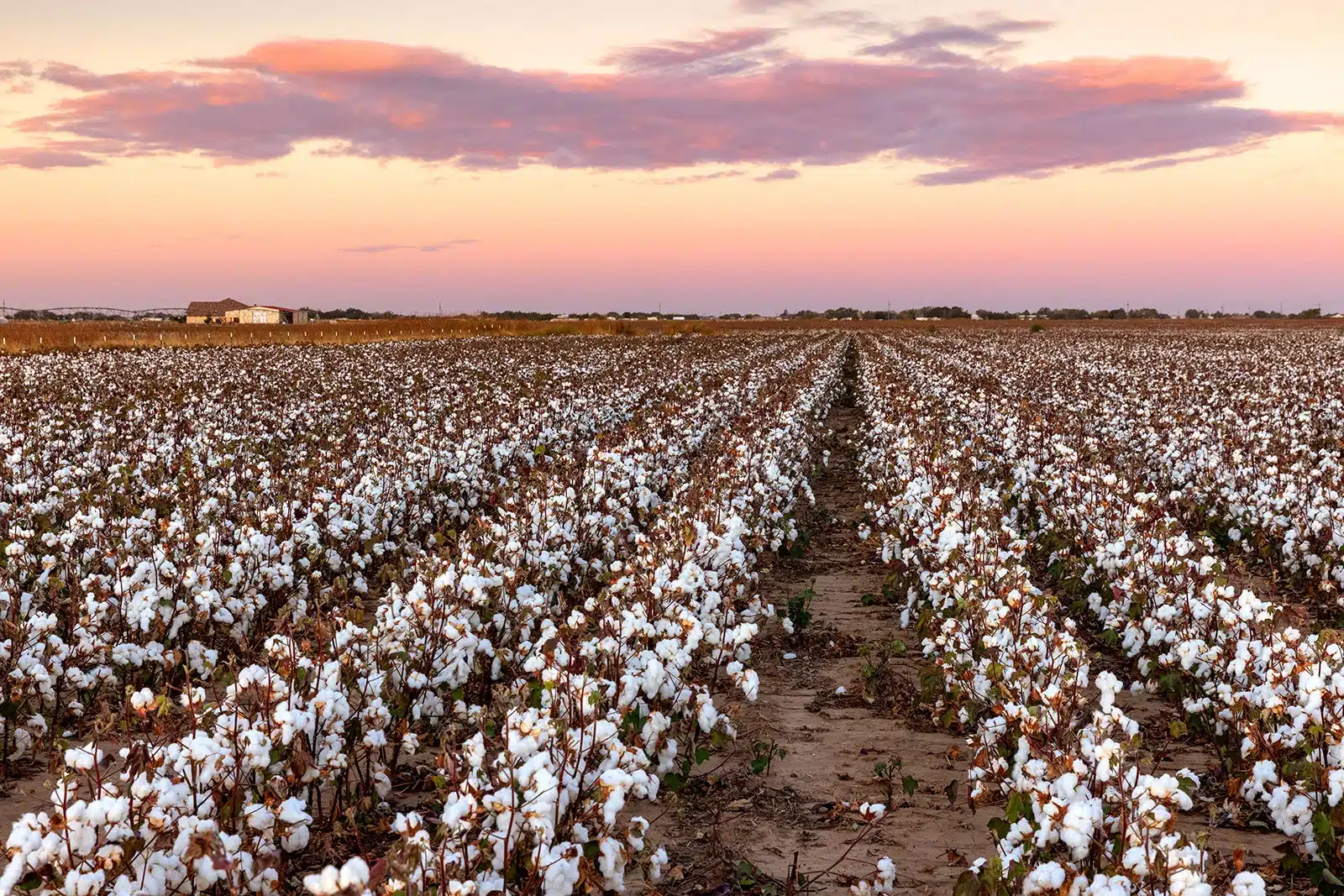
Champ de coton biologique en pleine croissance sous un ciel bleu, illustrant la culture intensive de cette fibre naturelle.

Excessive water consumption

Cotton, whether organic or conventional, is an extremely water-intensive crop. It takes around 10,000 litres of water to produce 1 kg of cotton. Although organic cotton is grown with fewer pesticides and less chemical fertiliser, it still requires large volumes of water, especially in the arid or semi-arid regions where it is often grown. Over-exploitation of water resources in these areas can lead to the degradation of local ecosystems, as we have seen with the drying up of the Aral Sea in Central Asia.

Lower yields

Organic cotton generally has lower yields than conventional cotton. Due to less intensive use of chemical fertilisers and pesticides, production per hectare is often lower, meaning that more land is needed to produce the same amount of cotton. This can lead to increased deforestation or expansion of farmland, endangering local biodiversity.

Impact of cotton processing

Turning cotton, even organic cotton, into textiles is an energy- and water-intensive process. Washing, bleaching and dyeing cotton can use chemicals and generate polluting wastewater, even if they are certified 'ecological' in some cases. Furthermore, organic cotton often has to be transported over long distances for processing, increasing the carbon footprint of the final product.

Use of agricultural land

Growing organic cotton competes with other types of agriculture that could be more directly useful for food production. In some developing countries, cotton growing can take up land that could have been used to grow food, adding to the pressure on agricultural land.

The greenwashing of organic cotton

Although organic cotton does have its advantages over conventional cotton (fewer synthetic pesticides, less chemical fertilisers), it is sometimes used in practices of greenwashing by certain companies. They emphasise the 'organic' aspect of cotton while continuing to adopt unsustainable practices at other stages of the production chain. This can distort the consumer's perception of the real ecological impact of organic cotton.

Alternative to organic cotton: bamboU fibre

Compared with organic cotton, bamboo fibre offers a number of ecological advantages:

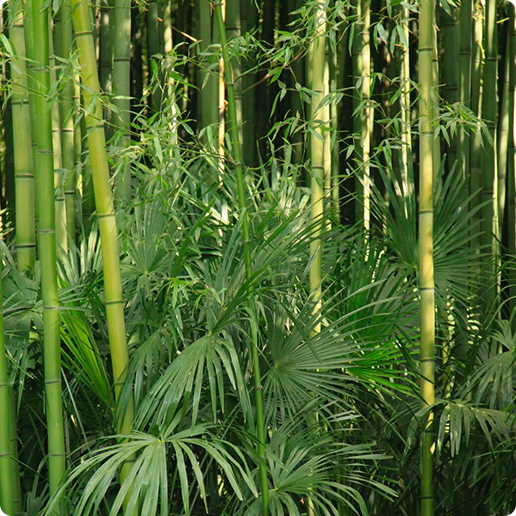
  • Sustainable culture Bamboo grows very quickly and requires much less water than cotton. It does not need pesticides or fertilisers to grow.
  • CO2 absorption Bamboo is a plant that captures a lot of CO2, which helps to reduce the greenhouse effect.
  • Rapid renewal Unlike cotton, bamboo grows back naturally after being cut, making it a renewable resource.

Engagement

Bamboo Impact

Plus qu’un choix de confort, le bambou représente une alternative régénérative pour notre planète. Notre processus de transformation respecte des normes environnementales strictes pour garantir une empreinte minimale.

Éco-responsable

Culture sans pesticides ni irrigation intensive.

Thermorégulation

S’adapte naturellement à la chaleur corporelle.

Hypoallergenic

Naturellement antibactérien et doux pour la peau.

Longue durée

Des fibres résistantes qui ne boulochent pas.

Recréez cette ambiance chez vous.

Shop the Story

COLLECTION

FAQs

Frequently Asked Questions

View all FAQs
Shopping cart0
There are no products in the cart!
Continue shopping